Para español, haga clic en el menú de arriba
Did You Know? #2
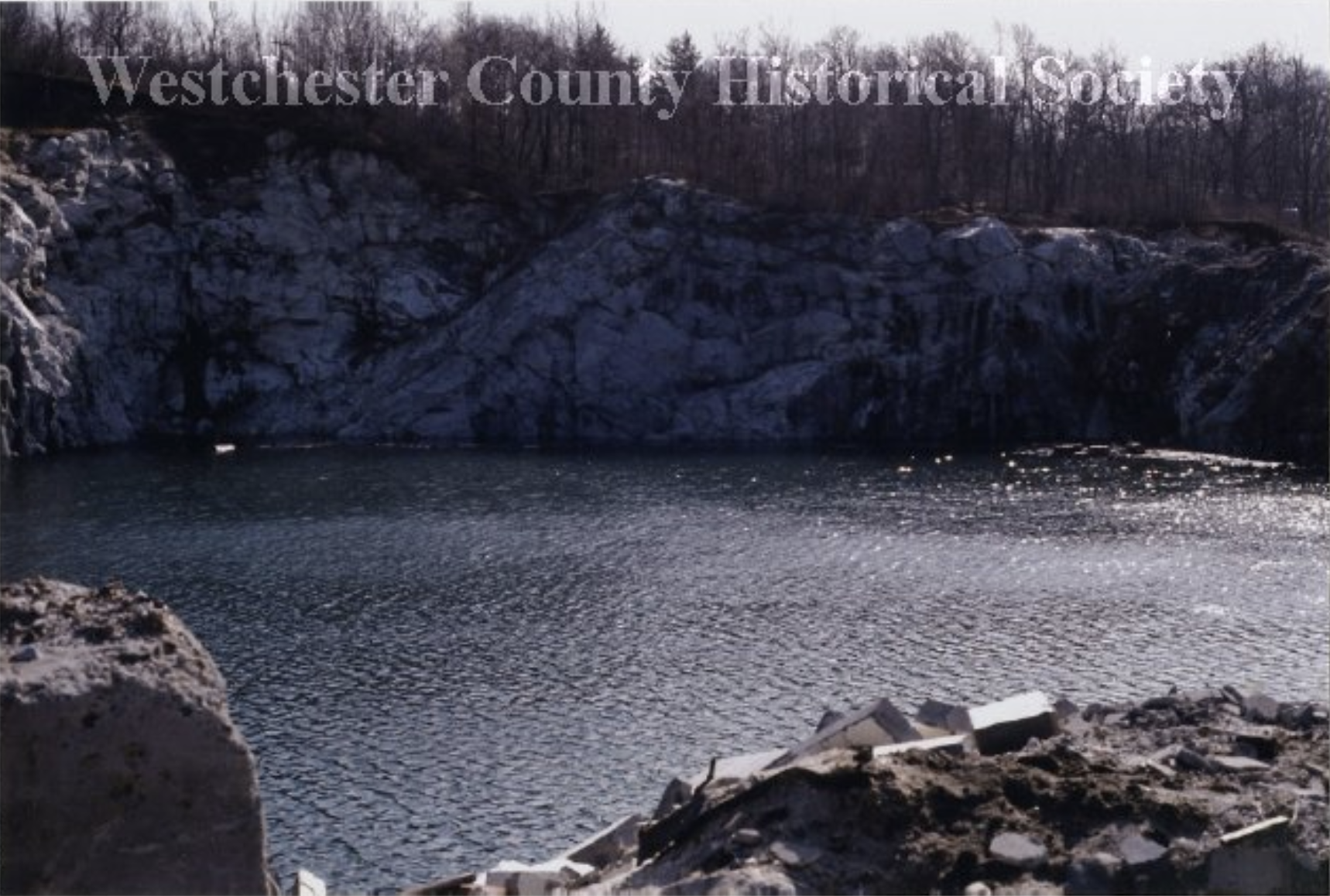
Pleasantville / Thornwood quarry, after decommissioning
Have you been to ShopRite or CVS in Thornwood, in between “Four Corners” and Pleasantville?
Do you recognize the stone cliff behind it in this photograph of the abandoned quarry? This site isn’t exactly holy ground, but its stones went to Manhattan to build a holy place …
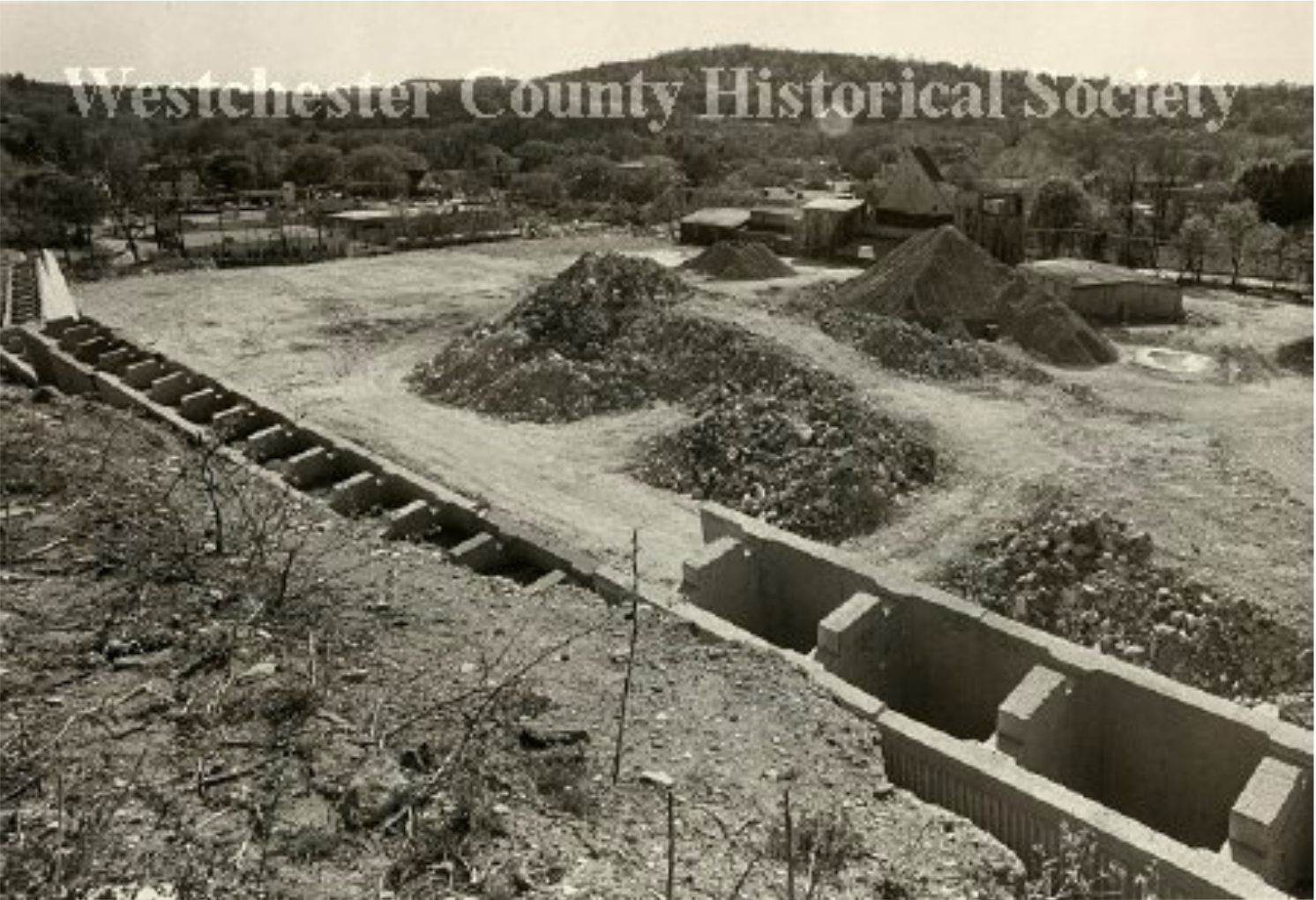
Quarry during operation, from above
The quarry was in operation from 1845-1973, almost 130 years. In its early decades, it was a source of architectural marble referred to in the industry as "Snowflake Marble” for its white color. In 1865, a new owner bought the property and named it the Snowflake Lime Works. It became one of the first industries in the hamlet that would later be named Thornwood, where there were shoe and pickle factories, and a landscape largely filled with dairy farms.
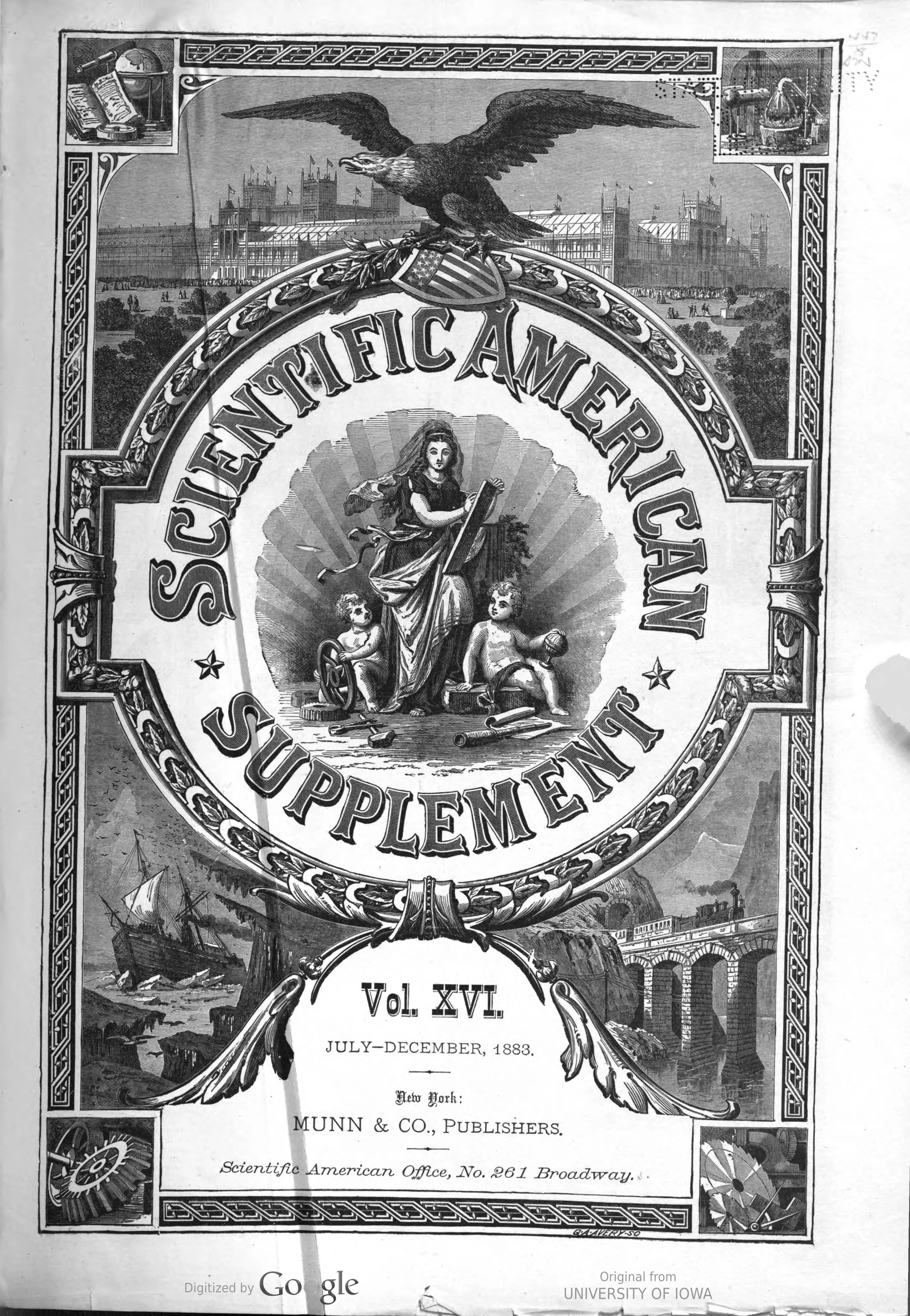
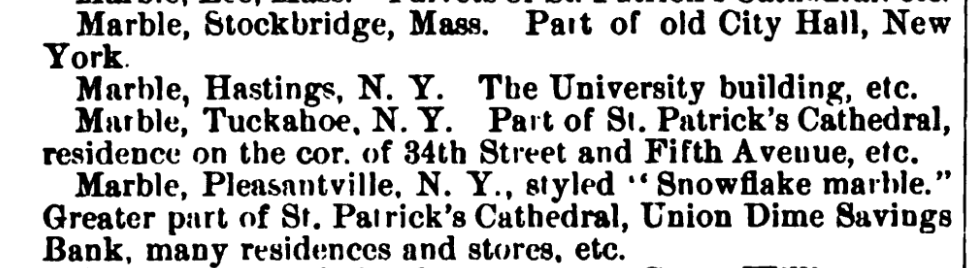
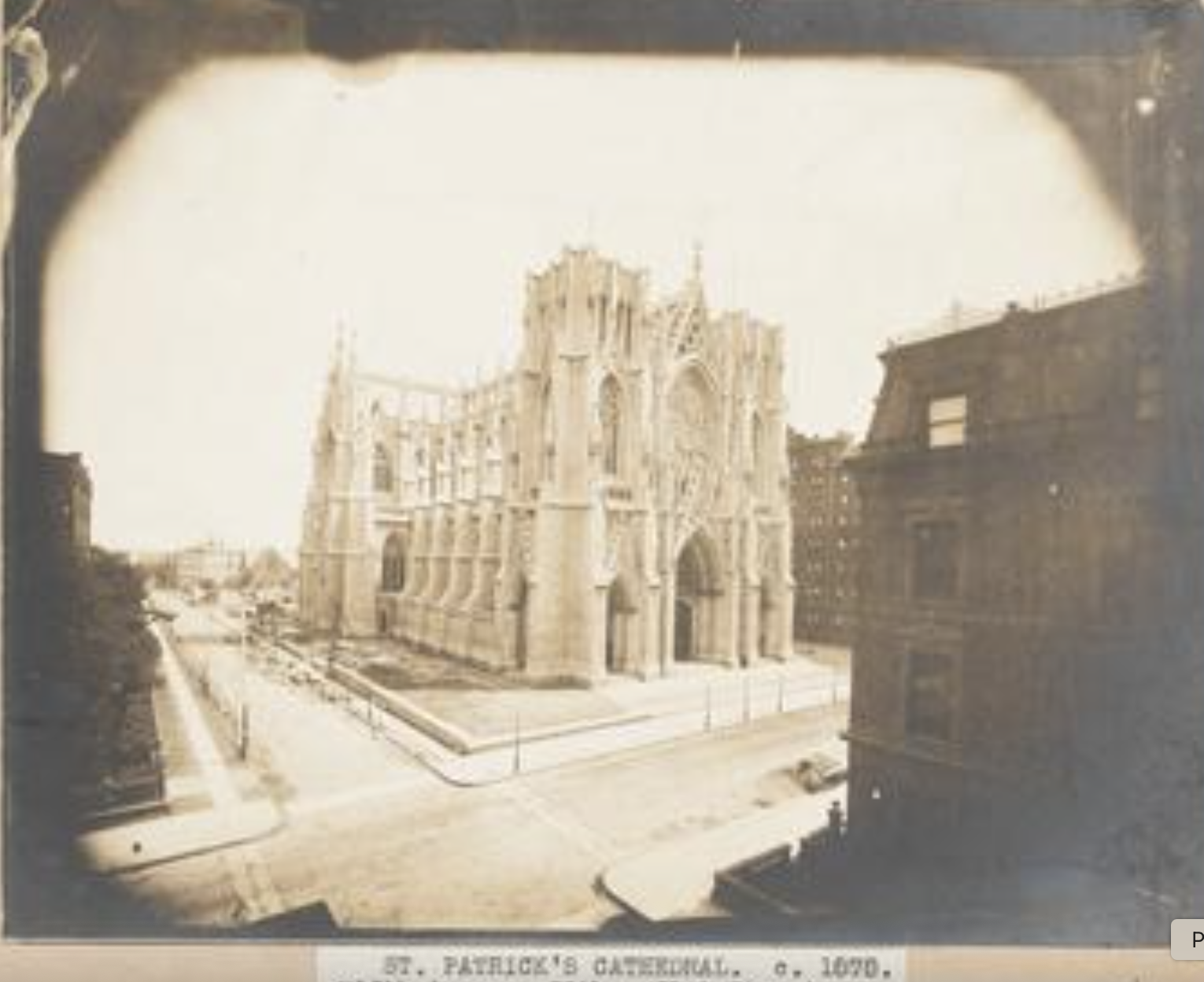
In 1858, when Archbishop John Hughes of New York laid the cornerstone for St. Patrick’s Cathedral on 5th Avenue, there was an immediate need for immense amounts of high-quality, locally sourced, architectural marble. And indeed an 1883 issue of Scientific American records that this local quarry provided the “greater part” of the marble for the cathedral — including the front facade!
So next time you gaze up at St. Patrick’s snow-white marble, remember that it was carved from the site of the Thornwood / Pleasantville quarry (where I now buy my groceries!).
Did You Know? #1
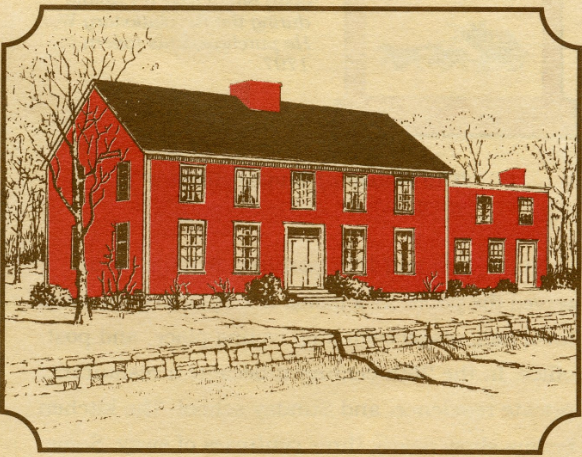
Historic Smith’s Tavern: taproom, town hall, site of local elections
Democracy in Westchester is actually more than 250 years old! According to the North Castle Historical Society, their first town meeting in Armonk was on April 6, 1736 — 40 years before the Declaration of Independence.
Besides the elected offices you might know today, they also included “fence viewers” and “damage prisers.”
For example, if a neighbor's livestock damaged your crops, the “damage priser” inspected the scene and determined fair compensation. The town had a built-in democratic method for preventing neighbor disputes from escalating.
They didn’t have a traffic problem then — unless you consider the livestock! One 1743 meeting enacted laws against "Rams running on the Commons from the first of August to the first of November." Hogs could be "Commoners" if they had "good sufficient yokes well put on.” The laws further stated that “any person that keeps any Cattle that is brought out of any other Township shall pay ten shillings for the good of the Town."
For nearly 300 years, local government has helped neighbors solve problems peacefully.
Check back soon for more …
Such as, what is this document?